








It may seem that after discharge from service, veterans and servicewomen automatically return to “civilian” life and need nothing. In reality, this is only the beginning of a new and no less difficult stage. Some of them have received disability due to the war, while others require constant ongoing treatment and rehabilitation. At the same time, veterans and servicewomen are looking for jobs with decent wages. Psychological adaptation becomes a challenge. And unfortunately, the state cannot meet all requests and needs.
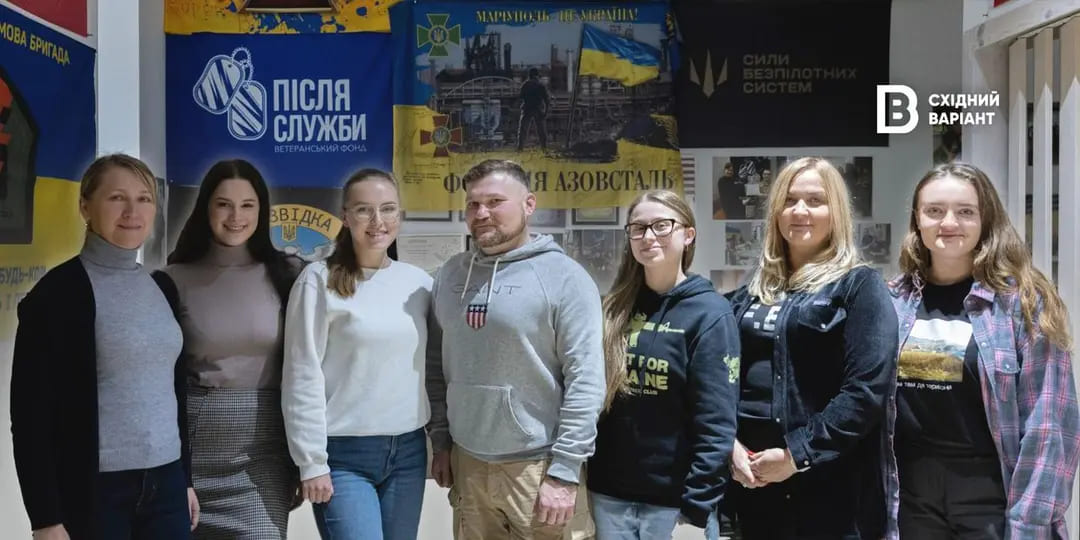
Eastern Variant visited the charitable foundation “After Service” to learn about their activities and how they help veterans and servicewomen.
“Long-term rehabilitation most often falls on the shoulders of the serviceman’s family”
The charitable foundation “After Service” was founded in 2022, when the country switched to “war footing.” After the start of the full-scale invasion, thousands of Ukrainians joined the Armed Forces to defend the Motherland from Russian occupiers. Unfortunately, intense fighting causes significant losses. Some defenders who returned home from service received disability. Some need constant care, while others need help with employment and psychological support.
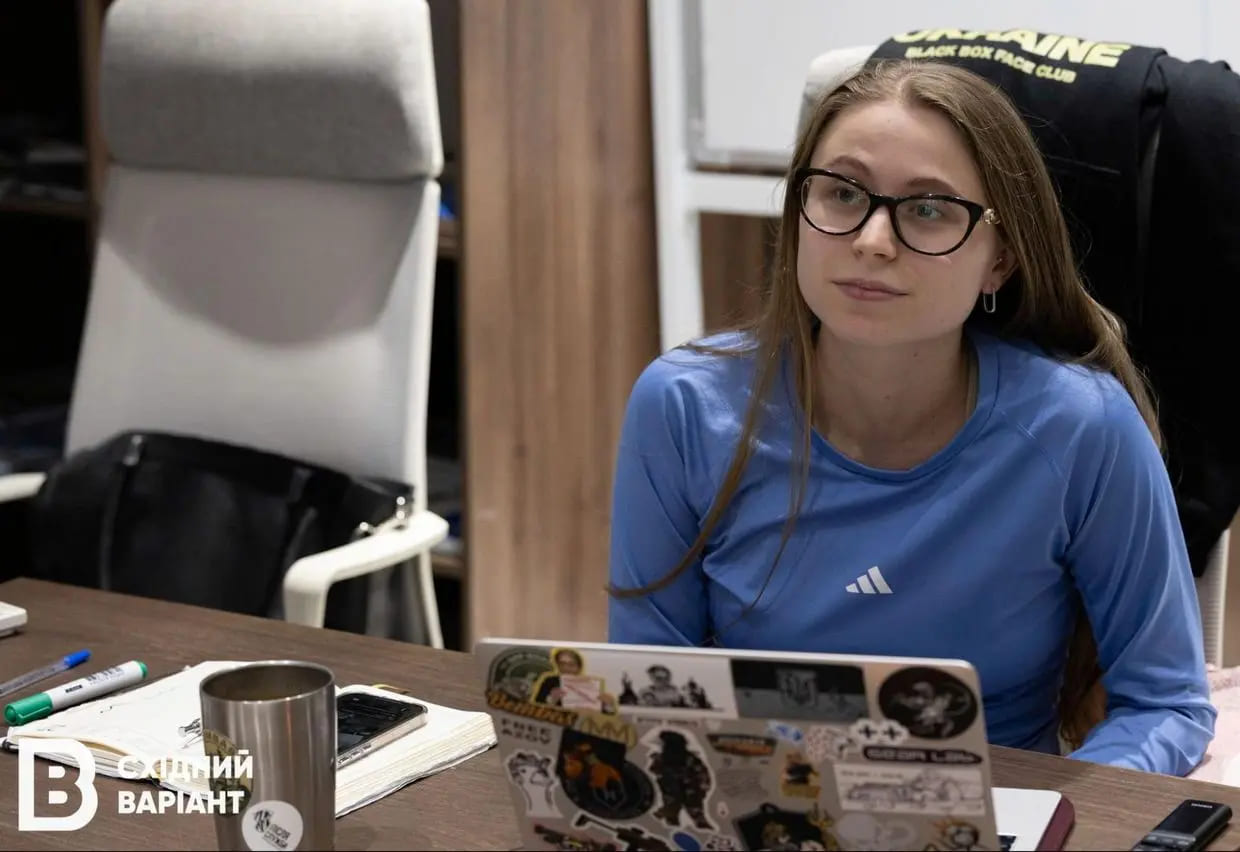
“Since the beginning of Russia’s full-scale invasion, requests for assistance to servicemen have grown significantly. Our entire team is somehow connected to the war and the front. Someone has a relative fighting, someone has veterans in the family, someone volunteers on a permanent basis. This united us in 2022 — the desire to help those at the front and those who have already returned. When the activities began to scale up, the ‘After Service’ foundation was officially registered, directing its efforts toward supporting veterans,” — says the foundation’s director Anastasia Zarichna.
Over nearly 12 years of the Russian-Ukrainian war, including its full-scale phase, hundreds of thousands of people have become connected to the front. Currently in Ukraine, there are 1.5 million veterans, of whom more than 130 thousand have disability due to the war. More than 1.3 million people have combatant status. Undoubtedly, these numbers will continue to grow.
One of the biggest challenges for veterans undergoing treatment due to injuries is rehabilitation. Sometimes it can last three to four years or even longer. If a serviceman is discharged and receives disability due to the war, he can claim a one-time payment from the state for the damage to health. For Group I disability — 1.2 million hryvnias (400 subsistence minimums), Group II — 908 thousand hryvnias (300 subsistence minimums), Group III — 757 thousand hryvnias (250 subsistence minimums).
Also, within a year after discharge from service, a veteran can claim combat pay (approximately 100 thousand hryvnias) for one year. But such payment is granted if the person is undergoing inpatient treatment and rehabilitation. To continue receiving it, periodic examinations are required to confirm the ongoing need for medical assistance. After one year, even if the need remains, everything falls on the family’s shoulders.
In cases of severe injuries (spinal or traumatic brain), such funds may not be enough, and monthly rehabilitation can cost from 100 to 200 thousand hryvnias. This does not include the purchase of medications, specialized nutrition, additional care, etc.
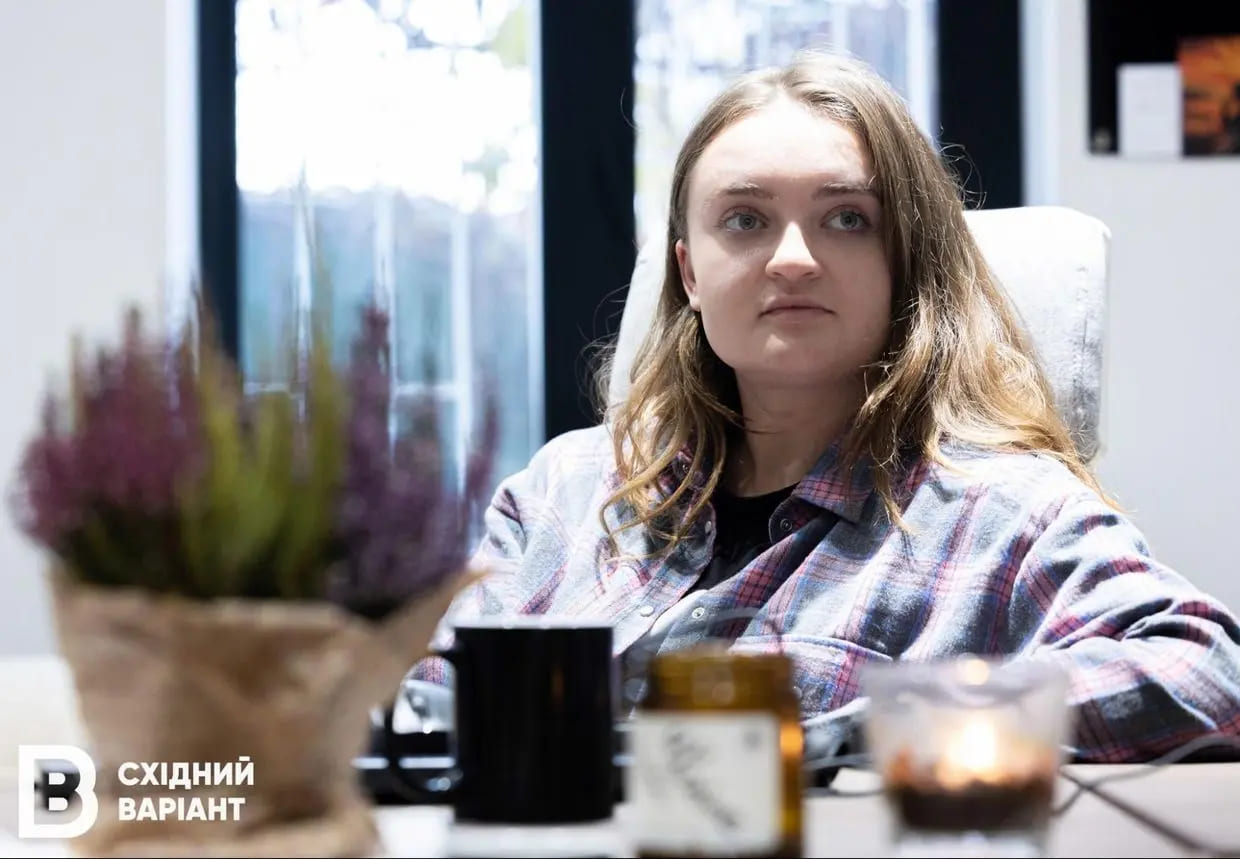
Therefore, families start looking for charitable foundations that can help with treatment, sending several applications at once. The rehabilitation and medical direction at the “After Service” foundation is handled by Yulia Movchan. She says that their foundation mainly helps with severe injuries that require long-term and expensive rehabilitation.
“There are veterans who have been in rehabilitation for the fourth year already. There are difficult cases where improvements in a person’s condition happen in small steps, but they do happen, and we rejoice at every positive shift. Some believe there is no point in treating severe cases, but there is always meaning. Therefore, we try to stay in constant contact with our veterans, look for medical assistance opportunities for them, collect information about all improvements, and rejoice together with them,” — says Yulia Movchan.
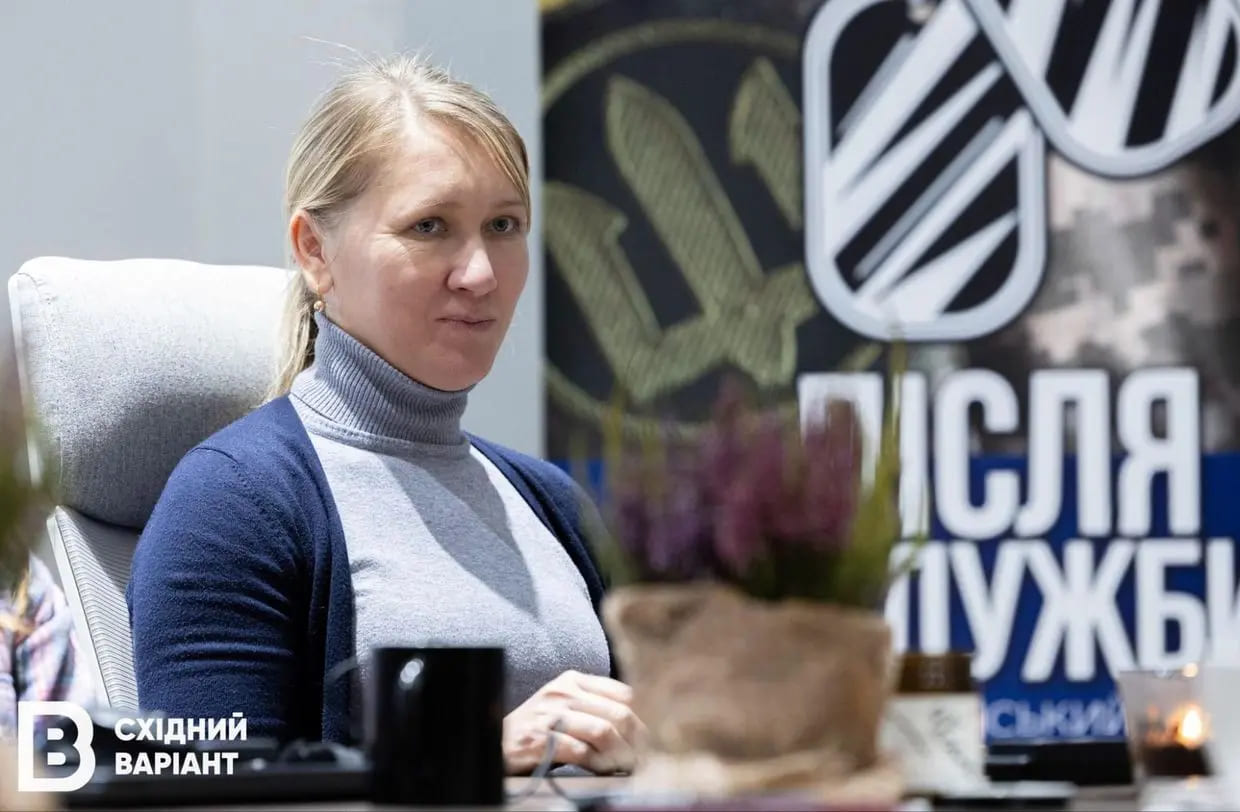
It is especially difficult for veterans who are internally displaced persons. Due to temporary occupation or destruction of housing, the family is forced to spend money on housing as well, which is an additional financial burden.
“In such cases, we try to contact local or regional administrations, look for places for the family, try to resolve this issue, but for families it is very difficult. After all, to stay in rehabilitation, it must be not just a village or settlement, but a city with rehabilitation centers or at least specialized hospitals. If the family runs out of money for treatment, they may be asked to leave the rehabilitation center, and this is also very hard. Sometimes wives of veterans call us just to vent. They need someone to share their experiences and emotions with, because every day they try to hold on.”
Yulia Movchan says that at the charitable foundation they see all the problems arising in the rehabilitation system for Ukrainian servicemen. And they direct their efforts to overcoming them in each individual case.
Yachting, diving, and Argentine tango
Quality leisure is no less important for veterans, servicewomen, and their families, helping them to distract themselves, have fun, and improve relationships. At the “After Service” foundation, this direction is handled by Olena Shcherbyna. She brings to life the most diverse ideas for emotional and psychological recovery. For example, every week Argentine tango evenings are held at the foundation’s office in Kyiv. Similarly, every week diving classes are held for veterans at one of the capital’s locations. And during the warm season, there is an opportunity to ride the waves of the Dnipro on a yacht.
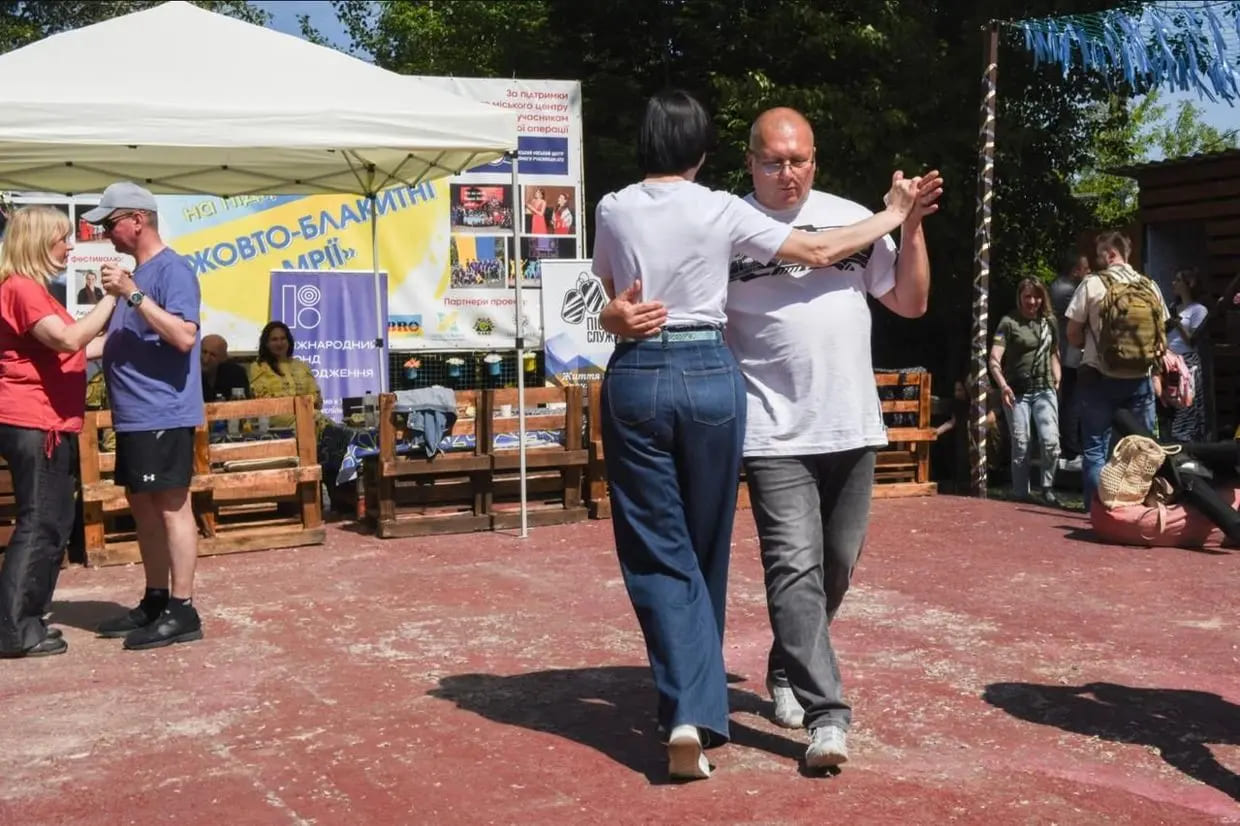
Veteran and former prisoner of war Artem has taken a liking to diving and yachting and is now one of the regular visitors. He admits that sometimes he comes to the foundation’s office just to have coffee or tea with the girls, chat, and have a good time.
“It all started when I was invited to diving. I liked it, and now I go every week. I also went yachting and SUP surfing — riding a board on open water. It’s all very interesting, I liked it. I served in the 23rd Maritime Guard Unit as a commander of a small maritime guard boat. And I really like such water activities,” — shares Artem.
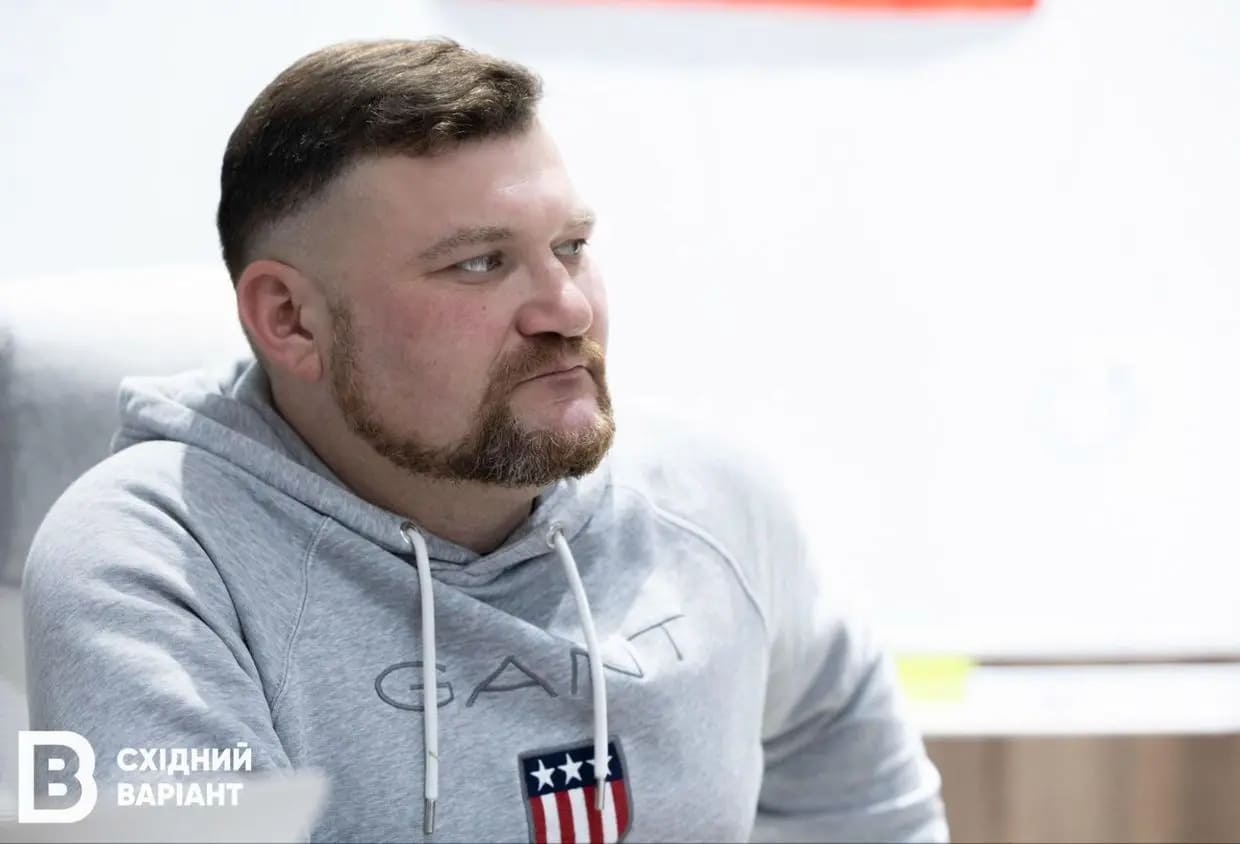
For veterans, servicewomen, and their families, master classes and trainings are held. For example, on making wax candles, creating Christmas spiders, acting skills. For music lovers, musical evenings are organized where everyone can play guitar, piano, or sing. Art therapy and painting master classes are also an integral part of leisure. So everyone can discover their talents.
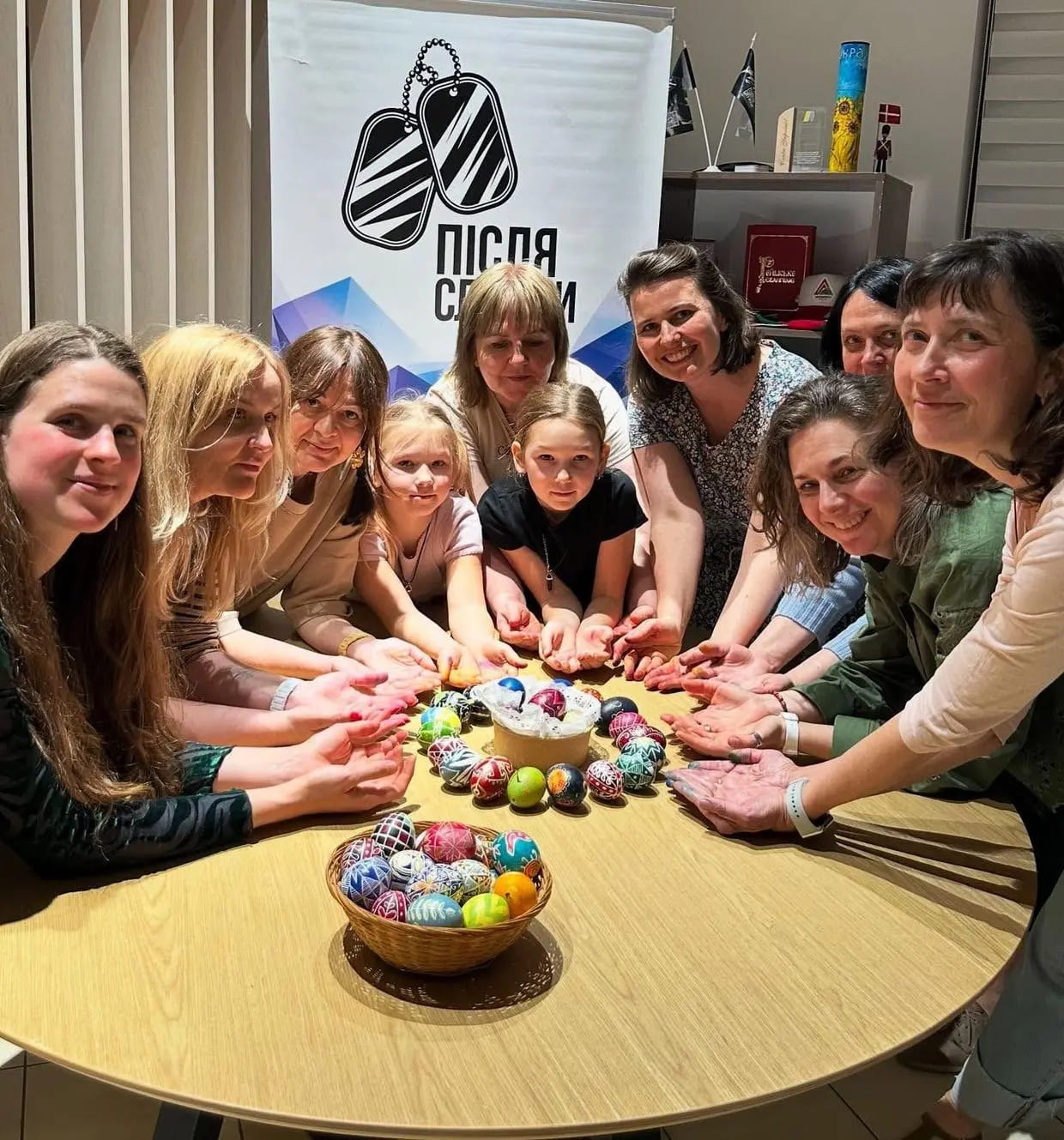
“We have city tours of Kyiv, hippotherapy — veterans’ sessions with horses at the ranch. We also hold movie evenings and film screenings with a psychologist. We choose interesting films, watch them, and at any moment we can pause and share our thoughts about what we saw: why the hero acted this way and not otherwise, why they said exactly those words to each other, what motives drive the main characters, and so on. Such viewings take more time than usual, but it’s a great opportunity to reflect and express your thoughts,” — says Olena Shcherbyna.
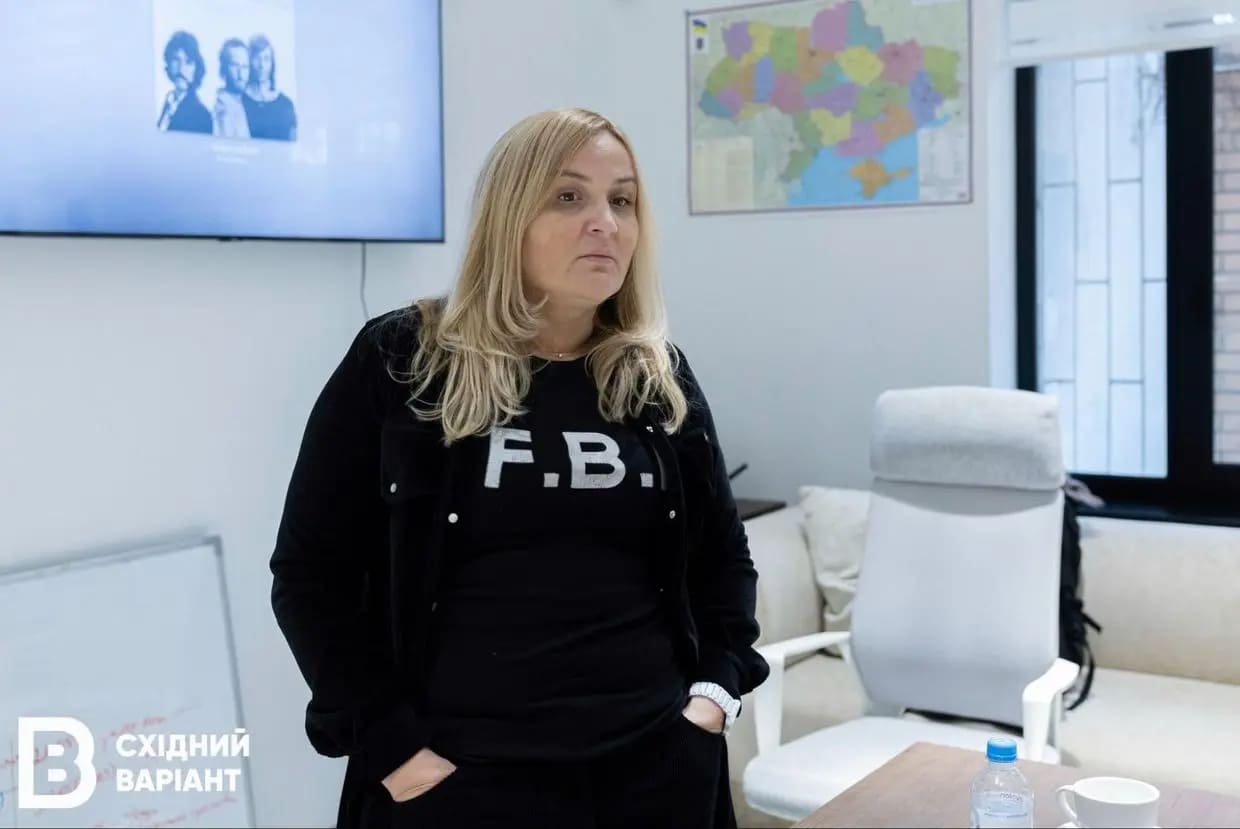
At the foundation, they constantly try to think of new formats to make it interesting for veterans and their families. The activities that are liked the most remain on a permanent basis. Recently, veterans and their families were on a five-day retreat in the Bakota Bay — a location with a flooded village in Khmelnytskyi region, where at the same time a picturesque view of the horizon opens. Participants had historical and cultural excursions, workshops on starting their own business, art therapy, and much more.
“We had an interesting experiment with visiting a ball pool. We thought that not all veterans might like it. But as we saw then, all visitors jumped into the pool with genuine enthusiasm. It was fun. We always make a plan for our events. We have registration for visitors on our pages. And then we determine a specific day and date. But every week we necessarily have several activities. These are group sessions and they are completely free,” — Olena reported.
“They called and offered veterans janitor jobs. We don’t allow that”
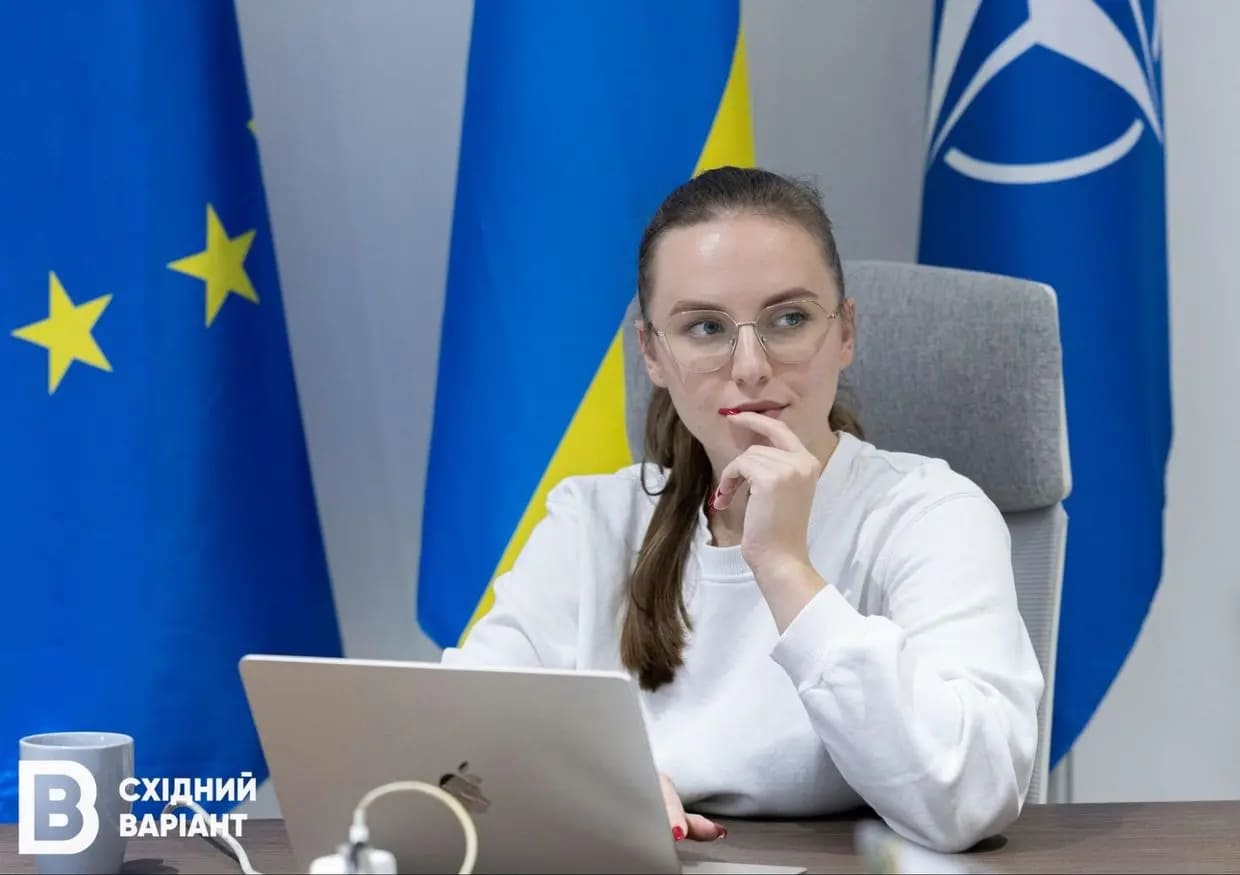
After discharge from military service, veterans and servicewomen need decent employment with appropriate wages to support themselves and their families. Therefore, it is very important for Ukraine to popularize and promote veteran employment programs. This is discussed by Yeva Shevchenko, head of the employment and training direction at the “After Service” foundation.
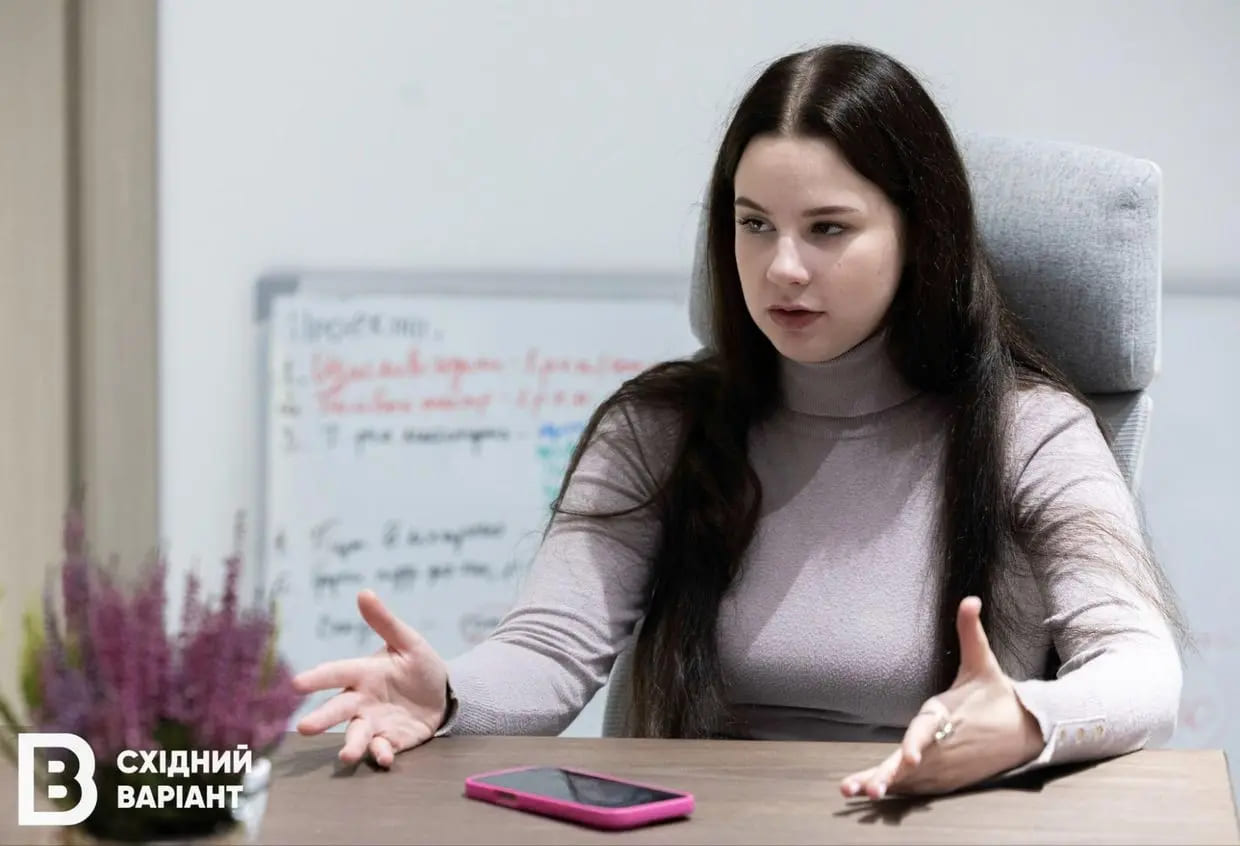
Some defenders dedicated their entire lives to service, but in case of severe injury, they are forced to think about other directions in which they would like to try themselves. In such a situation, it is important to support the veteran, offer training or retraining, taking into account their wishes, skills, and education.
In Ukraine, more and more businesses are ready to provide jobs to veterans, including equipping workplaces for those with disabilities. In particular, large businesses and enterprises.
“Employment is a big step to integrate into society for veterans after discharge from service. It’s worth understanding that not all professions suit them. When people turn to us for advice or help with employment, we try to direct the person to the direction where they feel most comfortable. First, time is needed for adaptation. Not everyone wants to go to work or even communicate with someone. There are periods when they don’t want to see or hear anything. And we understand them. Therefore, we gradually offer different options. For example, training, internships, projects where veterans can already try themselves, integrate, and choose what they like most,” — says Yeva Shevchenko.
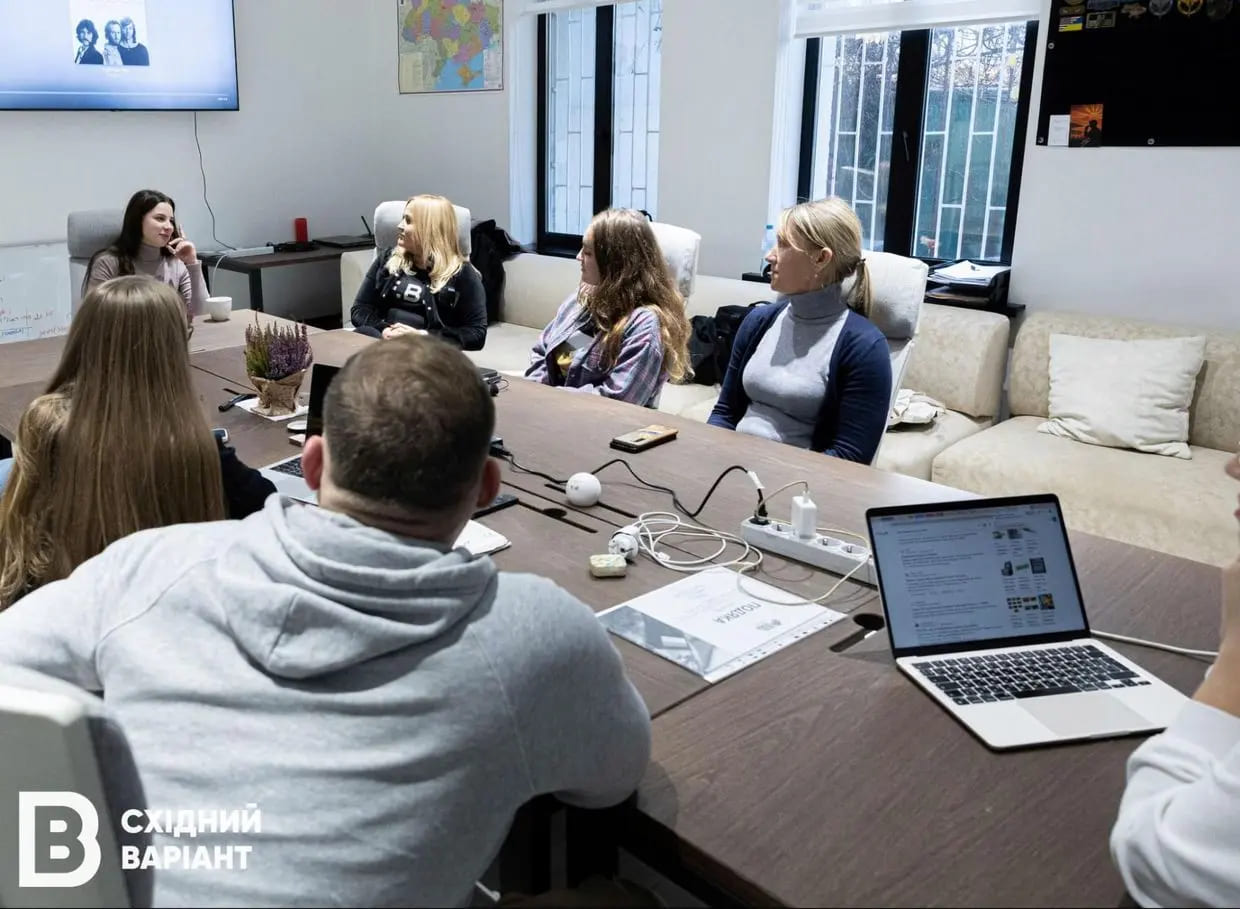
The foundation’s representatives’ task is not just to employ, but to find decent work for people who sacrificed their health to protect the country. Therefore, the best vacancies with development opportunities and good wages are selected for veterans.
“It happened that they called us and offered janitor positions for veterans. But this is unacceptable. We try to find the best possible places for veterans after service so they can support themselves, their families, and develop. We not only search for professions but also help with resumes, interview preparation, so a person can look for opportunities independently,” — says Anastasia Zarichna.
Yeva Shevchenko also handles legal consultations for veterans. She says that the most common questions for them are obtaining UBD (combatant) status, passing the military medical commission (VLK), and the medical-social expert commission (MSEC), which decides on granting disability rights.
At the same time, questions about payments and state support for veterans after discharge remain common. In Yeva’s opinion, Ukraine somewhat lacks communication about this from state authorities.
Although the “After Service” foundation does not have a staff psychologist, the direction of psychological rehabilitation is still present. Upon request, they find the best specialists in psychology and psychiatry for working with war-related traumas. Moreover, psychological or psychiatric services can be received not only by veterans but also by their families.
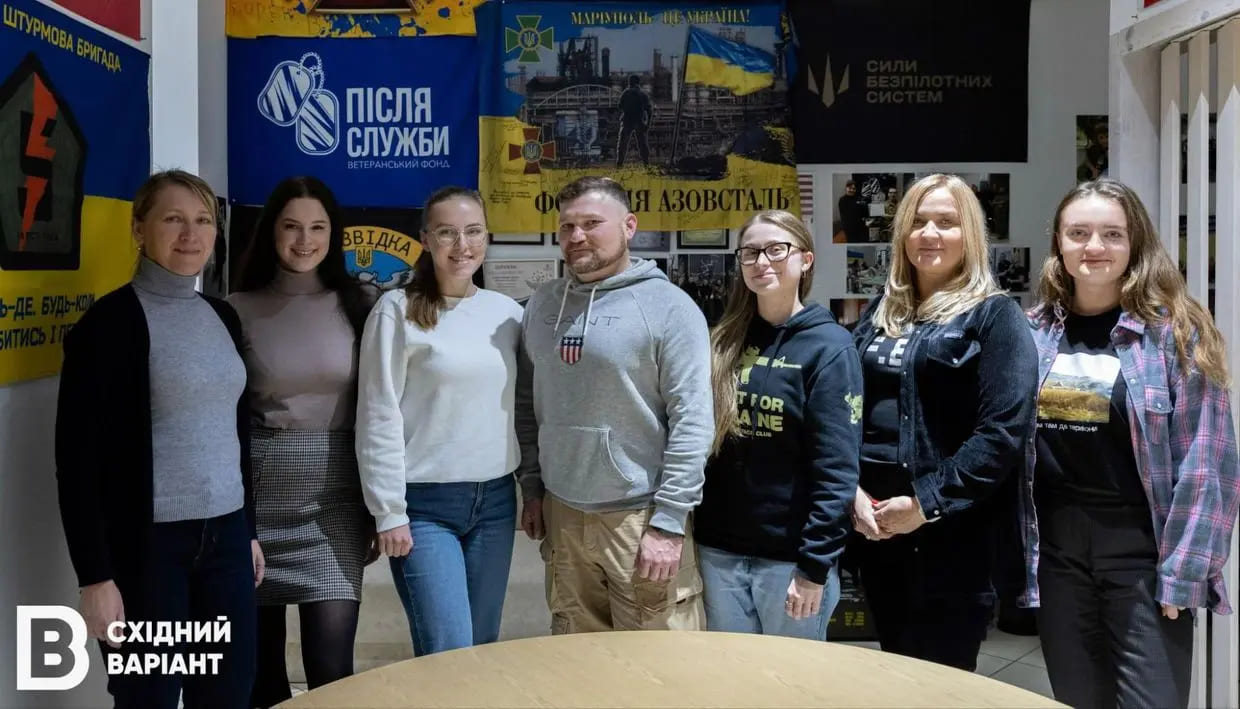
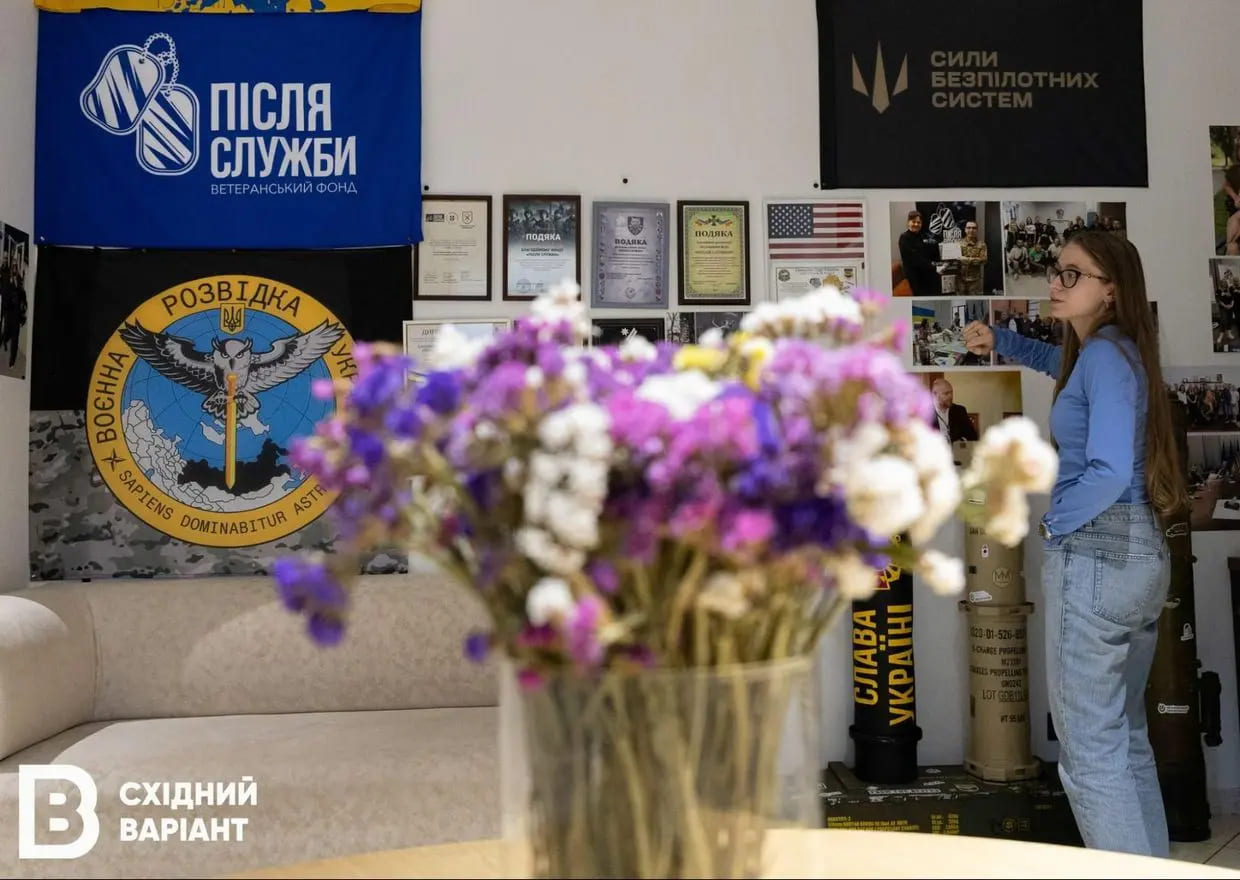
The living room of the “After Service” foundation in Kyiv is hung with named flags of brigades and battalions. Among them are photographs with servicemen and honorary political and military figures of Ukraine. In the offices — certificates and thanks for helping veterans. Undoubtedly, Ukraine still has a long way to go to fully provide veterans with everything necessary. Therefore, charitable foundations like “After Service” are significant support for those who, in the country’s most vulnerable moment, stood up to defend it.

Eastern Variant expresses gratitude for financial support from the European Union through its project “Support for Frontline Media and Investigative Journalism” (FAIR Media Ukraine), implemented by Internews International in partnership with Media Development Foundation (MDF). Eastern Variant maintains full editorial independence, and the information presented here does not necessarily reflect the position of the European Union, Internews International, or MDF.